Along the marshlands of the Ebro Delta Natural Park, in the Salinas de la Trinitat, wind, sun and sea quietly work together to create one of the Mediterranean’s most delicate ingredients: flor de sal. It’s a small, fragile flake with an outsized reputation among chefs, and it has flavoured local cooking for generations, long before “gourmet salt” became a trend.
Alongside it, the Delta also produces something just as prized: aromatic herbs and spices grown in the same sun-soaked fields. Two humble ingredients, yet together they can completely change the character of a dish.
So here’s a question every home cook eventually asks: should salt and spices be used together, or kept apart? As you’ll see, there isn’t one right answer, it depends on what’s on the plate.
A Gastronomic Legacy Born in the Ebro Delta 🌾
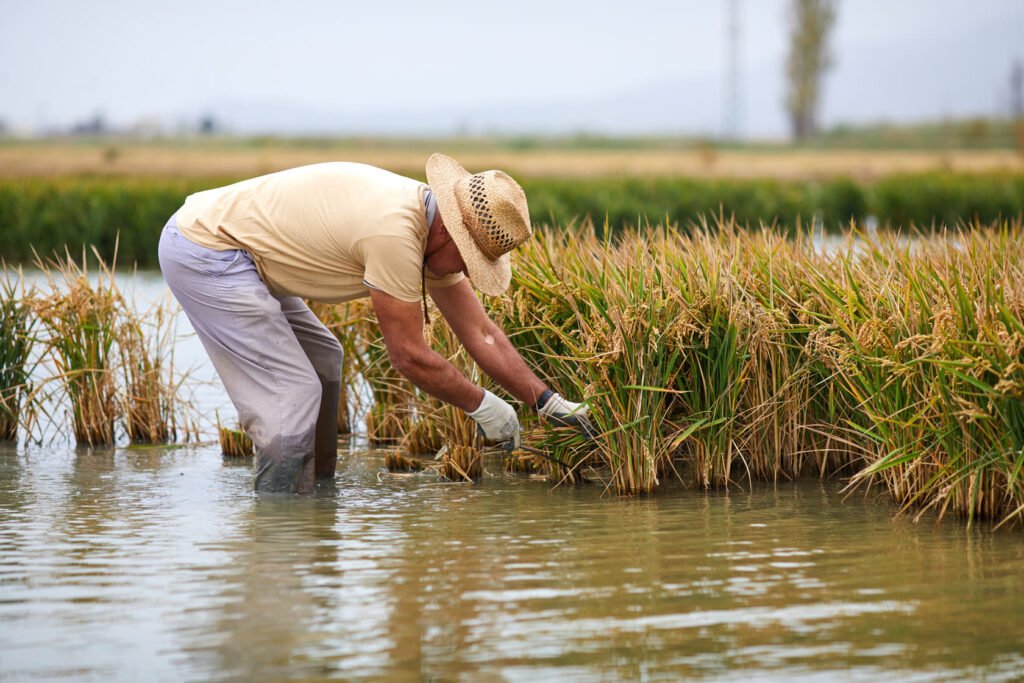
The Ebro Delta is one of the most singular landscapes in the Mediterranean, shaped as much by its wildlife as by the people who have farmed and fished it for generations. Local producers still rely on traditional, low-intervention methods that respect the wetlands around them, which is exactly how typical Ebro Delta products like artisan sea salt, wild herbs and traditional spices have kept their character over time. It’s a cuisine built on very few ingredients, each one carrying real weight.
The Art of Harvesting Flor de Sal 🧂
Flor de sal isn’t manufactured, it’s coaxed out of the water. Seawater is channelled into shallow salt pans, where sun and wind slowly evaporate it until fine crystals begin to form on the surface. Those crystals are skimmed off by hand and left to dry naturally, a method that has barely changed in centuries and one that keeps far more minerals, and far more flavour, than industrially refined salt.
Not every salt from the Delta is the same. Flor de sal itself is the most delicate, prized for finishing a dish just before it reaches the table. Unrefined sea salt is coarser and mineral-rich, better suited to cooking. And organic salt, produced without any chemical processing, has become a favourite for those who want an ingredient as natural as possible in their kitchen.
This mineral richness is exactly why so many home cooks reach for a real flor de sal from the Delta instead of a supermarket alternative. It follows the same principle behind France’s well-known fleur de sel, long valued as one of the world’s finest finishing salts.
Aromatic Herbs and Spices of the Delta 🌿
Salt isn’t the only treasure here. The Delta is equally known for the aromatic herbs and spices grown in its fields, ingredients that have flavoured local kitchens for centuries. Oregano turns up in almost everything, from salads to grilled meats. Thyme brings a deeper, earthier note that pairs beautifully with stews. Paprika adds colour as much as flavour, and saffron, considered one of the most valuable spices in the world, is what gives the region’s rice dishes their signature golden hue.
Many small producers still grow and harvest these plants by hand, drying the herbs slowly so they keep their essential oils and aroma intact. It’s a slower way of doing things, but it shows in the final result, and you’ll find the same philosophy behind our full range of salt and spices from the Ebro Delta.
Salt and Spices: Together or Separate? 🍽️
In most cases, combining the two creates a more complete dish. Salt tends to lift and sharpen the flavour of the spices, while the spices bring aroma and complexity that salt alone can’t offer. Grilled fish pairs beautifully with flor de sal and a touch of oregano or thyme. Roasted vegetables come alive with coarse sea salt, rosemary and paprika. Even something as simple as rice or pasta benefits from fine salt layered with a good Mediterranean herb blend.
Used thoughtfully, that combination can turn a simple plate into something memorable.
When It’s Better to Use Them on Their Own 🐟
That said, there are moments when less is more. If the main ingredient already has plenty of character, salt alone is often the better choice, think fresh fish, grilled meat, or vegetables picked in season. Here, salt simply lets the natural flavour speak for itself.
On the other hand, some dishes call for aroma rather than salinity: sauces, marinades, or vegetable-based plates, where spices alone add depth without overpowering everything else.
Tips for Combining Salt and Spices Like a Pro 👩🍳
A few habits make a real difference in the kitchen. Start with a small amount, you can always add more, but you can’t take it away. Add salt in stages, some during cooking, a touch more at the end to fine-tune the seasoning. Add dried spices early, since they need time to release their aroma, and save fresh herbs for the very last moment, so they keep their fragrance intact.
In the end, there’s no fixed rule: combine salt and spices when you want complexity, and separate them when you want one ingredient to shine. It’s mostly a matter of balance and a little experimentation.
Where to Find Authentic Ebro Delta Salt and Spices 🛒
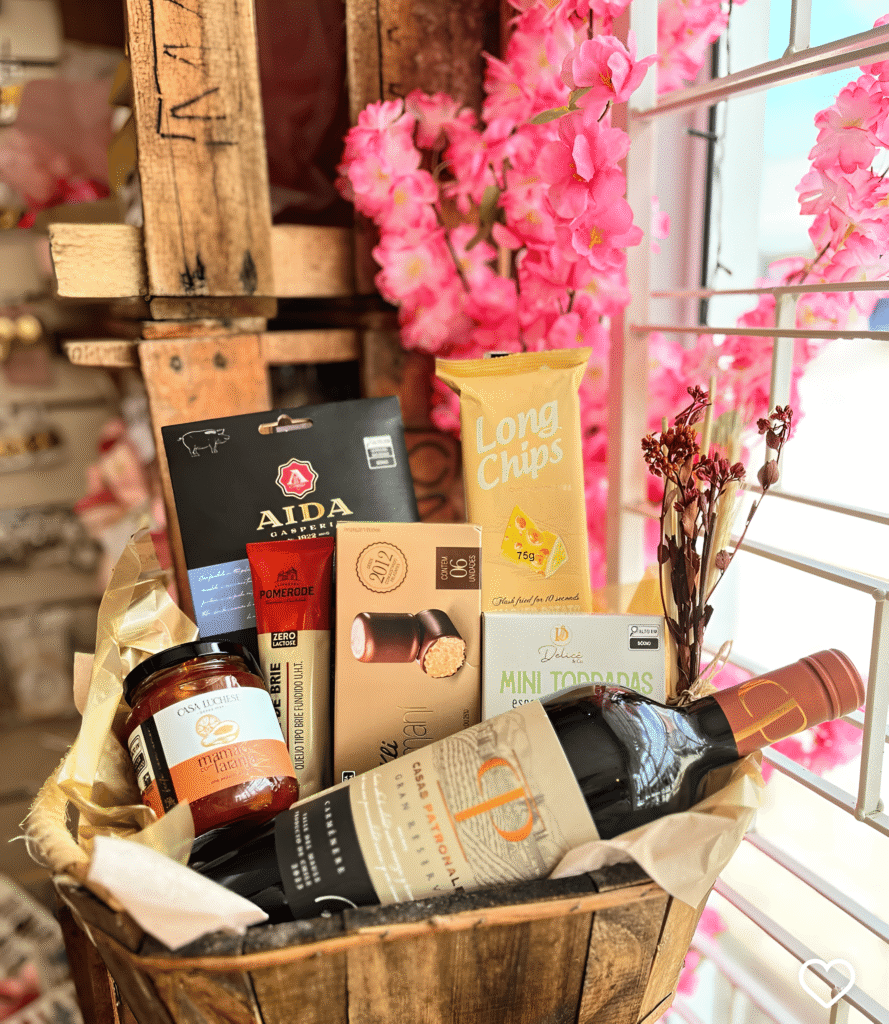
If you’d like to bring some of this home, a true flor de sal with pepper is an easy way to season grilled dishes in one step. These same salts and herbs are also a natural match for Ebro Delta rice, especially in a good paella, and they make a lovely centrepiece in one of our gourmet gift baskets if you’re looking for something a little different to give.
So… Is It Worth Seeking Out Real Flor de Sal? 🤔
If you cook often and care about how a dish tastes, yes. Flor de sal and the Delta’s traditional spices aren’t just about tradition, they genuinely change the way food tastes, texture and all. They’re not everyday pantry staples, but for finishing a dish or lifting a simple recipe, very little else compares.
Frequently Asked Questions About Flor de Sal and Delta Spices ❓
What exactly is flor de sal? 🧂
Flor de sal is the delicate layer of salt crystals that forms on the surface of salt pans as seawater evaporates. It’s harvested by hand and left unrefined, which is why it keeps more minerals and a softer, more complex flavour than table salt.
How is flor de sal different from regular sea salt? 🌊
Regular sea salt is harvested from the whole pan and tends to be coarser, while flor de sal is only the fine top layer, collected by hand in much smaller quantities. That’s part of why it’s considered a finishing salt rather than an everyday cooking salt.
Should I add flor de sal during cooking or at the end? ⏱️
Almost always at the end. Flor de sal is prized for its texture and delicate flavour, both of which are lost if it’s added too early or exposed to high heat for too long.
Which spices pair best with Ebro Delta dishes? 🌿
Oregano, thyme, paprika and saffron are the most traditional choices, especially in rice dishes, grilled meats and vegetable-based recipes from the region.
Is Ebro Delta salt production sustainable? 🌱
Yes, most producers in the area still use traditional, low-impact methods, relying on sun and wind rather than industrial processing, which keeps the wetlands and salt pans in balance.