Walk into any Spanish kitchen and you’ll likely spot two very different bottles of olive oil: one proudly labelled “extra virgin,” the other “organic.” Most people assume they’re competing for the same spot on the shelf, but that’s not quite accurate.
Today we’re breaking down the real differences between extra virgin olive oil vs organic olive oil, so you can decide which one truly belongs in your kitchen.
Both come from exactly the same fruit, the olive. What changes is the process behind the bottle, and that single detail changes everything: flavor, health benefits, and environmental impact.
1. Same Fruit, Different Philosophy 🫒
Before comparing them head to head, let’s clear up the basics:
- ✔ Both come from the olive
- ✔ Both can be cold-pressed
- ✔ Both are staples of a healthy diet
So Where Does the Real Difference Start? 🤔
- Extra virgin olive oil is all about the quality of the extraction process and the final flavor.
- Organic olive oil is all about how the olives were grown, without synthetic chemicals.
2. Production Method: Where They Really Split 🌱
This is the part that actually matters most when you’re picking a bottle.
Extra Virgin Olive Oil 🫒
- ✔ Cold mechanical extraction
- ✔ No chemical processing
- ✔ Maximum flavor and aroma quality
Organic Olive Oil 🌱
- ✔ Grown without pesticides or synthetic fertilizers
- ✔ Respect for the surrounding ecosystem
- ✔ Certified growing methods
Here’s the twist: an oil can be organic and extra virgin at the same time. The two labels aren’t rivals, they simply answer two completely different questions.
3. Taste and Aroma: Bold vs Balanced 👅
Flavor is where these two really show their personality.
Extra Virgin 🔥
- ✔ Bold, intense flavor
- ✔ Fruity notes with a peppery kick
- ✔ Perfect for dishes with strong character
Organic 🌿
- ✔ Softer, more balanced flavor
- ✔ Gentle on the palate
- ✔ Ideal for lighter recipes
Neither one is objectively “better” here, it really depends on what’s on your plate.
4. Health Benefits: What Sets Them Apart 🥗
Extra Virgin Olive Oil ❤️
- Higher levels of antioxidants (polyphenols)
- Healthy fats, mainly oleic acid
- Cardiovascular benefits
Organic Olive Oil 🌍
- Free from chemical residues
- A more natural growing process
- A sustainability-first approach
Both fit perfectly into a balanced diet, so you’re really not making a wrong choice either way.
5. Sustainability: Why It Matters Right Now 🌍
Looking purely at environmental impact changes the conversation a little:
- ✔ Organic farming protects biodiversity
- ✔ It reduces chemical use across the land
- ✔ It helps protect the soil for the long term
Choosing organic isn’t only a culinary decision, it’s a responsible one too.
According to the International Olive Council, the global body that sets official quality and purity standards, sustainable growing methods are increasingly central to certification worldwide.
6. How to Use Each One in the Kitchen 🍞
To Bring Out Bold Flavor 🔥
Reach for extra virgin olive oil when you’re making:
- Grilled meats
- Toasted bread
- Rich sauces
- Dishes with strong character
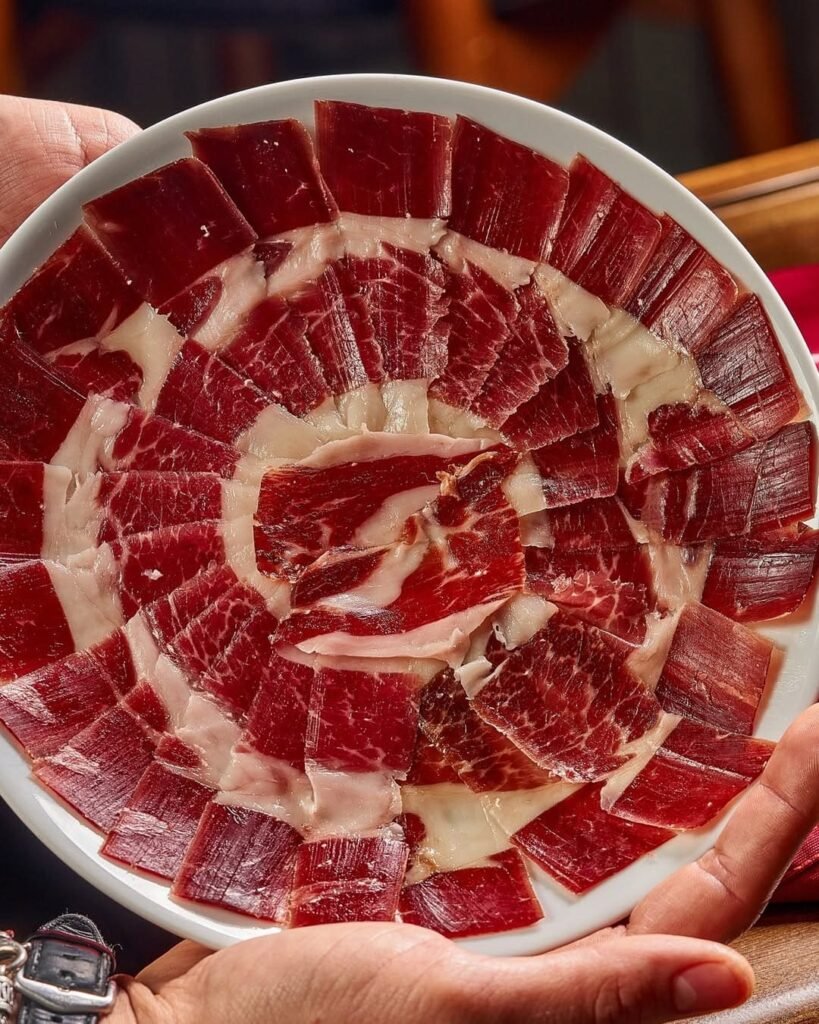
Try this: artisan bread + extra virgin olive oil + Iberian ham = pure magic 💥
For Lighter, Delicate Recipes 🥗
Reach for organic olive oil when you’re making:
- Salads
- Vegetables
- Light dishes
- Everyday balanced cooking
7. Which Olive Oil Does LoveGour Recommend? 🛒
At LoveGour we choose oils that genuinely make a difference: careful production, real character, and a proper gourmet profile. If you’d like to feel that difference for yourself, take a look at our extra virgin olive oil selection, starting with the La Chinata Extra Virgin Olive Oil, a great example of tradition, flavor and premium quality working together.
Extra Virgin Olive Oil vs Organic Olive Oil: Which One Wins? 🎯
- ✔ Want intensity and gourmet flavor? Go for extra virgin.
- ✔ Want sustainability and a natural process? Go organic.
- ✔ Want the best of both worlds? Look for an organic extra virgin olive oil.
The Bottom Line: It’s Not About Choosing One 🟢
The real mistake isn’t picking the “wrong” one, it’s not knowing when to use each. One brings out bold flavor, the other protects its origin, and together they can genuinely elevate your cooking. At the end of the day, extra virgin olive oil vs organic olive oil isn’t a rivalry, it’s a choice that depends on your dish, your health goals, and your values.
At LoveGour we’re proud of both options: whether you go for our extra virgin olive oil or explore our organic olive oil, each one brings something unique to your table.
If you’d like to go deeper into where these oils come from, don’t miss our guide on Ebro Delta extra virgin olive oil, or our honest look at Oro del Desierto, one of the best organic extra virgin olive oils in the world.
A good olive oil isn’t just an ingredient, it’s the foundation of every great dish.
Whichever path you choose, weighing extra virgin olive oil vs organic olive oil always comes down to matching the bottle to the moment.
Frequently Asked Questions ❓
What Does “Extra Virgin” Actually Mean? 🫒
It means the oil was extracted purely mechanically, without heat or chemicals, and meets strict standards for acidity and flavor. It’s the highest quality grade an olive oil can achieve.
Is Extra Virgin Olive Oil Healthier Than Regular Olive Oil? ❤️
Generally, yes. Because it goes through far less processing, extra virgin olive oil keeps more of its natural antioxidants and polyphenols compared to refined or regular olive oil.
Can You Cook With Extra Virgin Olive Oil? 🔥
Absolutely. It handles everyday cooking and even light frying well, just avoid prolonged high heat if you want to preserve its full flavor and nutrients.
Extra Virgin Olive Oil vs Organic Olive Oil: What’s the Difference? 🌿
Extra virgin refers to the extraction process and quality grade, while organic refers to how the olives were grown. An oil can actually be both at once.
Does Extra Virgin Olive Oil Expire? ⏳
Yes. It’s best enjoyed within 12 to 18 months of production and should be stored away from light and heat to protect its flavor.